The US healthcare billing landscape is one of the most complex in the world. With hundreds of payers, annual ICD-10-CM and CPT code updates, prior authorization requirements, and a revenue cycle that involves multiple handoffs between clinical and administrative staff, getting billing right requires more than spreadsheets and manual processes.
Medical billing coding software sits at the centre of a practice’s financial health. The right system automates the routine, catches errors before they become rejections, and gives your team a clear view of where every dollar stands. And increasingly, AI is changing what that software can do. This guide breaks down what you need to know.
AI Medical Billing Software
Artificial intelligence has moved from a buzzword to a practical feature in the best medical billing coding software available today. AI-powered billing tools are doing real work in practices across the US, and the results are measurable.
What AI Does in Medical Billing Software Today
The most immediately useful AI applications in medical billing coding software fall into three areas. First, automated code suggestion: AI analyzes the clinical notes entered during a patient encounter and suggests the appropriate ICD-10-CM and CPT codes based on the documented diagnoses and procedures. This reduces the time spent on manual code lookup and catches codes that a coder might miss.
Second, claim scrubbing: AI-powered claim validation tools check each claim against payer-specific rules before submission, identifying likely rejection reasons and flagging errors for correction. A clean claim on first submission is dramatically better for your revenue cycle than one that comes back for resubmission.
Third, denial pattern analysis: AI can identify patterns in denied claims, whether certain codes are consistently rejected by a specific payer, whether certain diagnosis-procedure combinations trigger reviews, or whether documentation gaps are causing systematic denials. Addressing these patterns proactively reduces future denial rates.
These capabilities are not hypothetical. According to Health Affairs, administrative complexity in US healthcare accounts for a significant portion of practice operating costs, and technology-driven improvements in billing accuracy have demonstrated measurable reductions in claim rejection rates and administrative overhead.
AI-Assisted Coding vs Manual Coding
AI-assisted coding is faster and more consistent for routine cases. A straightforward office visit for a common condition, a standard preventive wellness exam, a follow-up for a chronic condition that is well-documented, these are cases where AI code suggestion performs reliably and saves meaningful time. The value proposition is clear for high-volume outpatient practices.
For complex, multi-system conditions or unusual presentations where the clinical documentation requires interpretation, AI still struggles without human oversight. This is where experienced coders add value that AI cannot yet replicate.
Will AI Eventually Replace Medical Coders?
This question is being asked across the healthcare industry, and the honest answer is: not in the foreseeable future, and not in the way the question implies.
The Current State of AI in Medical Coding
AI systems currently available in medical billing coding software can handle a significant volume of routine coding tasks accurately. They can suggest codes, validate claims, and flag documentation issues. But they require supervision, correction, and judgment from trained coding professionals. The American Health Information Management Association (AHIMA) and other professional bodies consistently note that AI augments the medical coder’s role rather than eliminating it, particularly as coding requirements continue to grow in complexity with value-based care models, quality reporting mandates, and specialty-specific coding nuances.
What AI Means for Medical Coding Careers
Medical coders who adopt AI tools and develop proficiency in reviewing and validating AI-generated codes are likely to become more productive and valuable, not less. The same volume of work can be processed by a smaller team, but the team members need to be more skilled in oversight, exception handling, and complex case coding. For practices, this means investing in both the right software and the right training for your coding staff.
Compliance and Liability Cannot Be Automated Away
One area where human expertise will remain non-negotiable for the foreseeable future is compliance. The Centers for Medicare and Medicaid Services and OIG maintain strict standards for billing accuracy and fraud prevention. When a claim is submitted incorrectly, the liability rests with the practice and the physician, not the software. AI tools can reduce errors, but they cannot accept legal responsibility for coding decisions. That responsibility requires human judgment, professional accountability, and ongoing training.
What is the Best Medical Coding Software?
With dozens of medical billing coding software platforms on the market, choosing the right one for your practice comes down to a few core criteria. The best medical coding software for US practices is not necessarily the one with the most features; it is the one that fits your clinical workflow, integrates with your EHR or EMR software, and gives your billing team the tools they need to work accurately and efficiently.
All-in-One EHR System vs Standalone Billing Software
One of the most important decisions practices face is whether to use a standalone billing platform or an all-in-one EHR system that includes integrated billing and coding. Standalone billing systems can be powerful, but they require data to be transferred from the clinical record, either manually or through an integration layer. This handoff introduces delay and error risk.
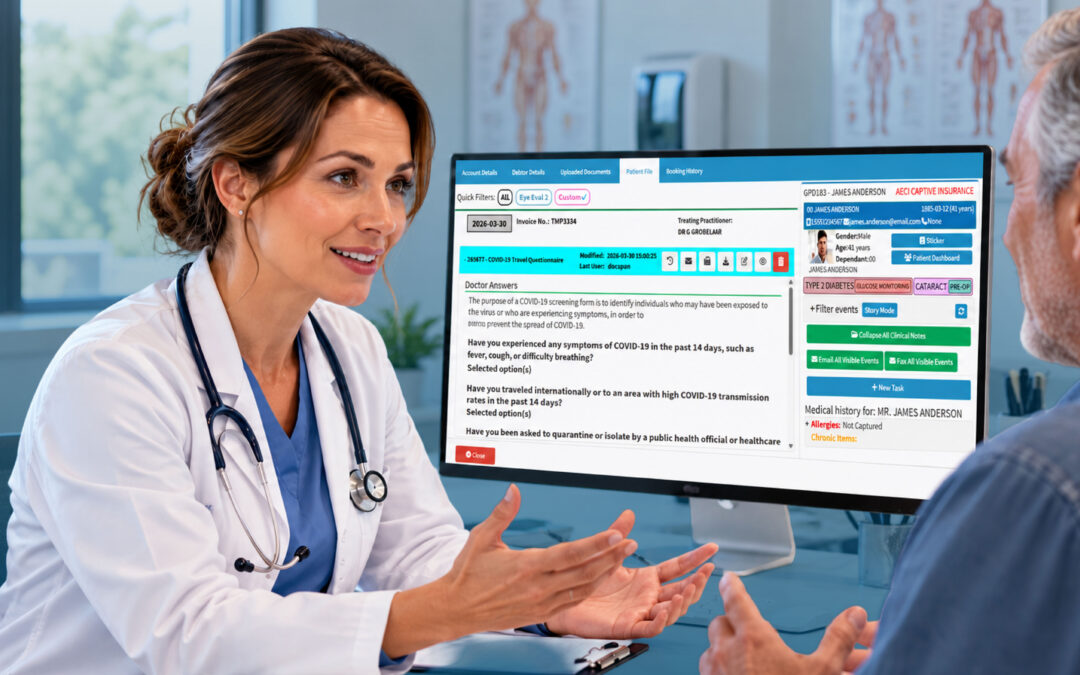
An all-in-one EHR system like GoodX eliminates this problem by connecting the clinical record directly to the billing module. The ICD-10-CM codes linked to the consultation notes flow directly into the claim without any re-entry. This integration is the single biggest driver of billing accuracy and efficiency for practices that value both clinical and financial performance.
What GoodX Offers as a Medical Billing Coding Software
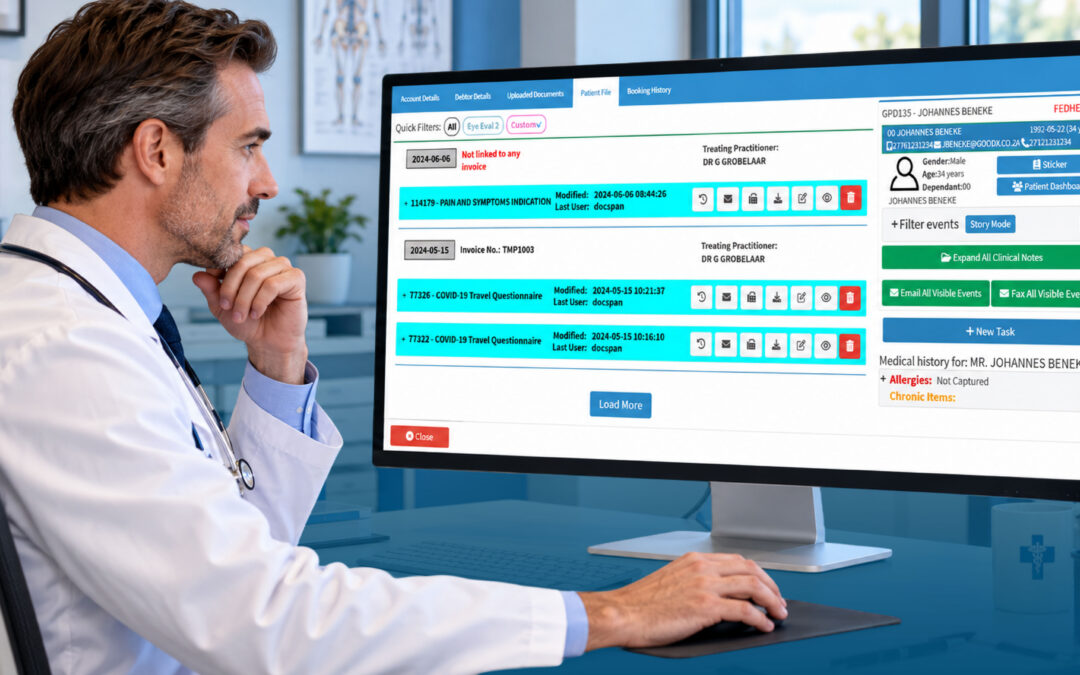
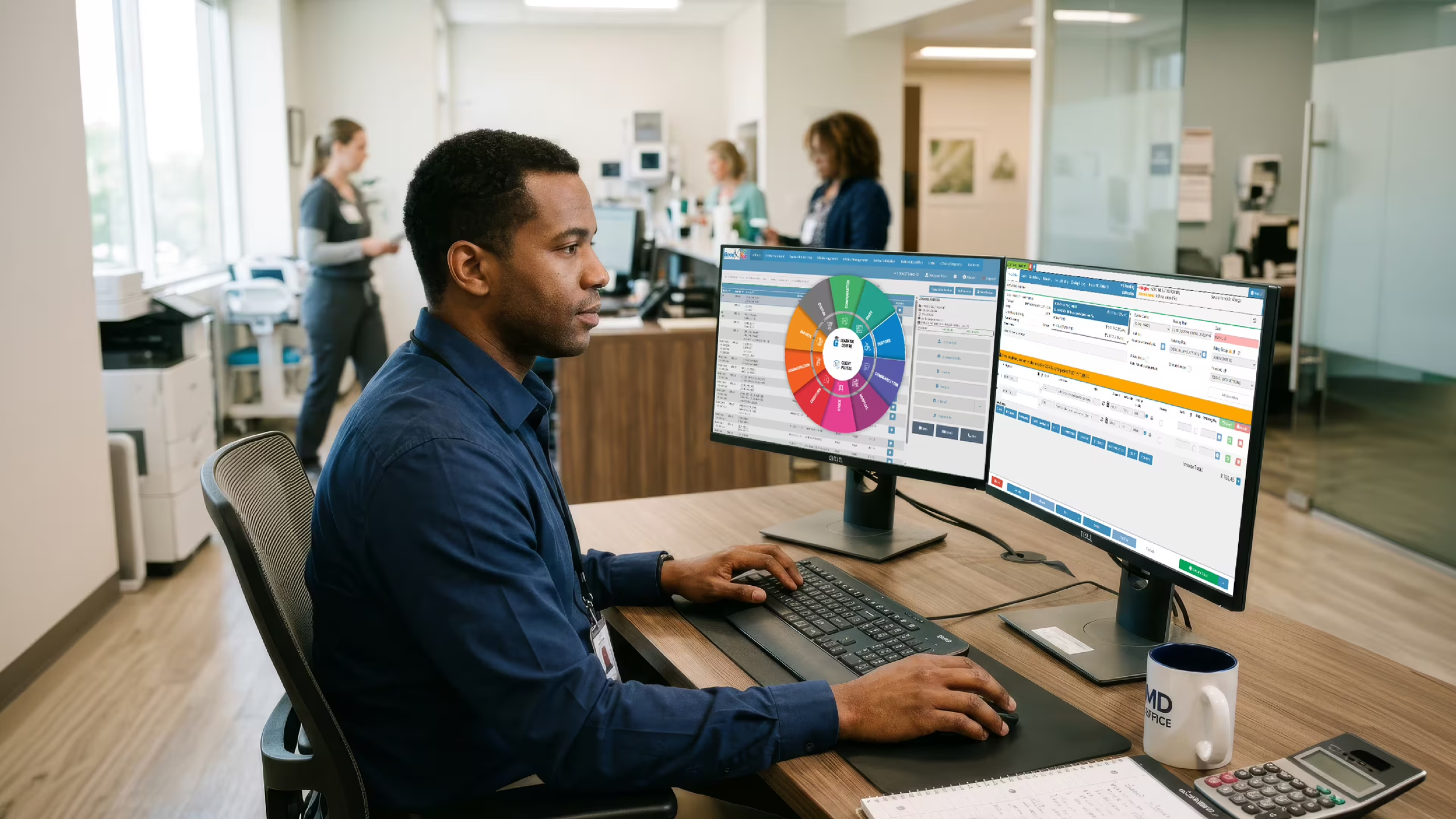
GoodX is a comprehensive EHR/EMR software platform built for medical practices that need clinical and financial functions working in concert. As a medical billing coding software, GoodX provides integrated ICD-10-CM and CPT code search within the patient encounter, automatic code-to-claim linkage, claim validation before submission, payer-specific billing rule support, and real-time revenue cycle reporting.
The all-in-one EHR system approach means that your clinical notes, coding, and billing are never in separate silos. When the physician completes a consultation note, the billing team has immediate access to the coded data, the claim is ready to submit, and the entire process is traceable from patient encounter to payment received.
Key Features to Look for in Medical Billing Coding Software
When evaluating medical billing coding software, look for integrated ICD-10-CM and CPT code search, automated claim scrubbing and validation, denial management and resubmission workflows, payer-specific rule libraries, real-time eligibility verification, revenue cycle dashboards with key performance indicators, and regular automatic code set updates. A platform that also serves as your EHR/EMR software consolidates your technology stack and eliminates the cost and complexity of managing separate clinical and billing systems.
Frequently Asked Questions
What is medical billing coding software?
Medical billing coding software is a digital platform that translates clinical diagnoses and procedures into standardized codes (ICD-10-CM, CPT) and generates insurance claims for submission. The best systems integrate with EHR/EMR software so coding happens as part of the clinical workflow, reducing manual data entry and billing errors.
What does AI medical billing software do?
AI medical billing software uses artificial intelligence to suggest diagnosis and procedure codes from clinical notes, scrub claims against payer rules before submission, identify denial patterns, and flag documentation gaps. AI-assisted coding speeds up routine billing tasks and reduces error rates, but trained coding staff remain essential for complex cases and compliance oversight.
Will AI eventually replace medical coders?
AI is increasing the efficiency of medical coders, not replacing them. It handles routine code suggestion and claim validation, but complex coding decisions, exception handling, and compliance responsibility still require trained professionals. As AI takes on more routine tasks, medical coders who specialize in complex cases and AI oversight will be increasingly valuable to practices.
What is the best medical coding software for US practices?
GoodX is a top-rated medical billing coding software for US practices, offering integrated ICD-10-CM and CPT code search, automated claim scrubbing, payer-specific billing rule support, and real-time revenue cycle reporting, all within an all-in-one EHR system. It eliminates the data handoff between clinical and billing teams, which is the single largest source of coding errors in multi-system practices.
What is the difference between an EHR and medical billing coding software?
An EHR (Electronic Health Record) system manages clinical documentation, patient histories, and care coordination. Medical billing coding software manages the financial side, including coding, claims submission, and payment tracking. An all-in-one EHR system like GoodX combines both functions in a single platform, so clinical documentation and billing work together without separate data entry or integration complexity.
See How GoodX Handles Medical Billing and Coding for Your Practice
Medical billing coding software works best when it is built into your clinical workflow rather than bolted on as a separate system. GoodX is an all-in-one EHR system that connects your clinical notes, coding, and billing in a single platform, giving your team the accuracy and efficiency to maximize revenue and minimize denials. Book a free demo to see it in action.