If you have started researching electronic medical records software for your practice, you have probably already noticed that the options are overwhelming. The EMR market in the United States is one of the most fragmented segments of the health technology industry, with hundreds of certified platforms ranging from large enterprise systems used by major hospital networks to lightweight cloud tools designed for solo practitioners.
So how many EMR systems are there, exactly? The short answer is a lot. The more useful answer is that understanding the market by type, by use case, and by market share helps you quickly narrow the field to the platforms that are actually relevant to your practice. This guide covers the main categories, the leading systems by market share, and what makes one EMR a better fit than another for different practice settings.
Most Common Hospital EHR Systems by Market Share
The large hospital and health system segment of the EMR market is dominated by a small number of enterprise platforms. These systems are designed for the complexity of inpatient care, with modules covering nursing documentation, lab and pharmacy workflows, operating room management, and patient safety monitoring across entire hospital networks.
According to data from KLAS Research, the leading hospital EHR systems by market share in the US are concentrated among a handful of vendors that have invested heavily in enterprise-scale infrastructure. These platforms are purpose-built for the inpatient setting and carry price tags and implementation timelines that reflect that.
For independent and private practice physicians, the most common hospital EHR systems by market share are largely irrelevant because they are designed for a fundamentally different care setting. A solo GP or a small specialty group practice does not need the same system that runs a 1,000-bed academic medical center.
The ambulatory and outpatient market has its own set of leading platforms, and this is where most independent practices and specialty clinics need to focus their evaluation. This market is more competitive and more diverse, with meaningful options at every size and price point.
4 Types of Electronic Health and Medical Records Systems
One of the most useful ways to make sense of the EMR market is to understand the four main types of systems and what each one is designed for.
- Physician-focused or ambulatory EMRs. These are designed for outpatient practices, from solo GPs to specialty clinics with multiple providers. They prioritize clinical documentation, e-prescribing, lab order management, and patient scheduling. The administrative tools are typically included but are secondary to the clinical workflow. What are examples of EMR systems in this category? There are dozens of certified ambulatory EMR platforms in the US market, varying widely in price, usability, and specialty support.
- Hospital or enterprise EMRs. These run the inpatient workflows of hospitals and large health systems. They are highly complex, deeply integrated with hospital operations, and designed for environments where thousands of users interact with the system simultaneously. Implementation typically takes years and requires dedicated IT teams.
- Specialty-specific EMRs. Some EMR platforms are built around the specific documentation and workflow requirements of a particular medical specialty, such as behavioral health, ophthalmology, dermatology, or physical therapy. These systems offer clinical templates and workflow tools that general-purpose platforms often lack, making them a better fit for specialists who need something more than a generic note-writing interface.
- Cloud-based or SaaS EMRs. Rather than a separate category, cloud delivery is increasingly the standard for all EMR types. Cloud-based systems are hosted remotely, updated automatically, accessible from any device, and priced on a subscription basis. The Office of the National Coordinator for Health Information Technology (ONC) has published data showing that cloud-based EMR adoption among independent practices has accelerated significantly over the past five years.
List of EMR Systems in Healthcare: Key Options for Independent Practices
Here is a practical list of EMR systems in healthcare that are relevant to independent and specialty practices in the United States. Note that the right choice depends heavily on your practice size, specialty, budget, and technical requirements.
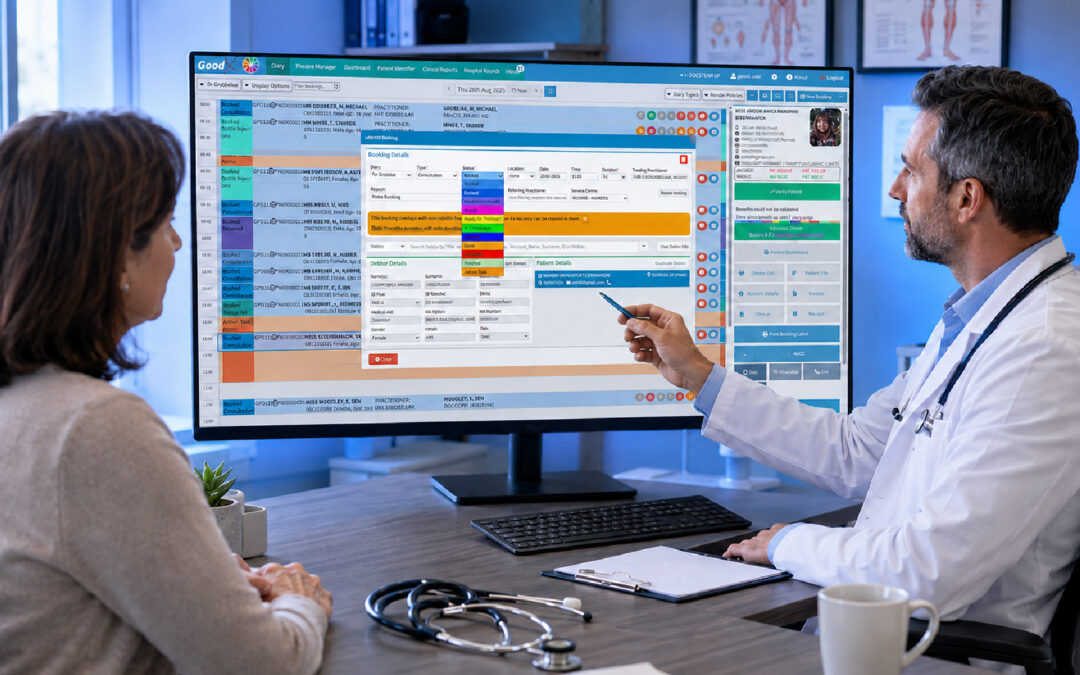
GoodX. GoodX is an integrated practice management and EMR platform built for medical practices internationally, including the US market. It combines clinical documentation, appointment scheduling, billing, and financial reporting in one platform. For practices looking for a comprehensive, cloud-based system with strong administrative tools alongside clinical functionality, GoodX is worth evaluating early in your search.
Beyond GoodX, the US ambulatory market includes a wide range of platforms across different price points and specialties. Some are focused primarily on clinical documentation, while others prioritize billing and revenue cycle management. The key is to match the platform’s primary strengths to your practice’s primary pain points.
According to the Centers for Medicare and Medicaid Services, electronic health record adoption among office-based physicians in the US has grown substantially since the Meaningful Use program was introduced. The result is a mature market with many certified options, but also significant variation in quality, usability, and real-world performance.
The Office of the National Coordinator for Health IT maintains a certification database for EMR systems meeting federal interoperability and usability standards. For practices participating in Medicare or Medicaid quality programs, choosing a certified system is important for regulatory compliance and potential incentive eligibility.
What to Look For Beyond Market Share
Market share data tells you which platforms have been successful at selling. It does not tell you which platform will work best for your specific practice. When evaluating your options, these factors matter more than vendor size.
Specialty fit is the most important starting point. A platform that is excellent for a primary care practice may be frustrating for a gastroenterologist or a psychiatrist. Look for systems that offer clinical templates, documentation structures, and workflow tools specific to your specialty.
Billing and revenue cycle integration matters enormously for practice financial health. An EMR that requires a separate billing system creates reconciliation challenges and increases the risk of unbilled encounters. Integrated platforms where clinical documentation drives billing workflows directly deliver measurably better revenue cycle performance.
Implementation support and training quality are often overlooked in the evaluation process but are critical to adoption. Ask every vendor specifically about their onboarding process, training resources, and what support is available during the first 90 days of use.
Frequently Asked Questions
How many EMR systems are there in the United States?
There are hundreds of certified electronic medical records systems available in the United States. The Office of the National Coordinator for Health IT maintains a certification database that lists certified systems meeting federal standards. The actual number of platforms with active users in the market is large, making it important to filter by use case, practice size, and specialty before beginning a detailed evaluation.
What are examples of EMR systems used in medical practices?
Examples of EMR systems used in US medical practices span a wide range from large enterprise platforms for hospitals to cloud-based ambulatory tools for independent physicians. GoodX is one example of an integrated practice management and EMR platform suitable for independent and specialty practices. The right system depends on your practice size, specialty, workflow requirements, and budget.
What are the 4 types of electronic health and medical records systems?
The four main types are physician-focused ambulatory EMRs for outpatient practices, hospital or enterprise EMRs for inpatient settings, specialty-specific EMRs designed for particular clinical disciplines, and cloud-based SaaS EMRs which represent a delivery model applicable across all three categories. Most independent practices today are best served by cloud-based ambulatory or specialty-specific platforms.
Which EMR system has the largest market share in US hospitals?
A small number of enterprise platforms dominate the large hospital market in the US, according to data from KLAS Research and HIMSS Analytics. However, hospital market share data is largely irrelevant to independent and specialty practice physicians, who operate in a different market segment with different requirements and a much wider range of competitive options.
How do I choose the right EMR system for my practice?
Start by identifying your top three operational pain points, whether that is billing accuracy, clinical documentation time, appointment management, or financial reporting. Then evaluate EMR options against those specific needs. Request structured demos using real scenarios from your practice. Ask about implementation timelines, training quality, and ongoing support. Prioritize fit over brand recognition or market share.
See How GoodX Fits Your Practice
GoodX is a comprehensive practice management and EMR platform designed for independent and specialty practices. It combines clinical documentation, scheduling, billing, and financial reporting in one integrated cloud-based system.